Property Services · Humboldt County
Tree Care & Land Clearing
Remove problem trees, reclaim overgrown ground, and restore access. Site conditions, nearby structures, and the intended use of the property shape the work.
Tree removal · Chipping · Roadside cleanup · Land clearing
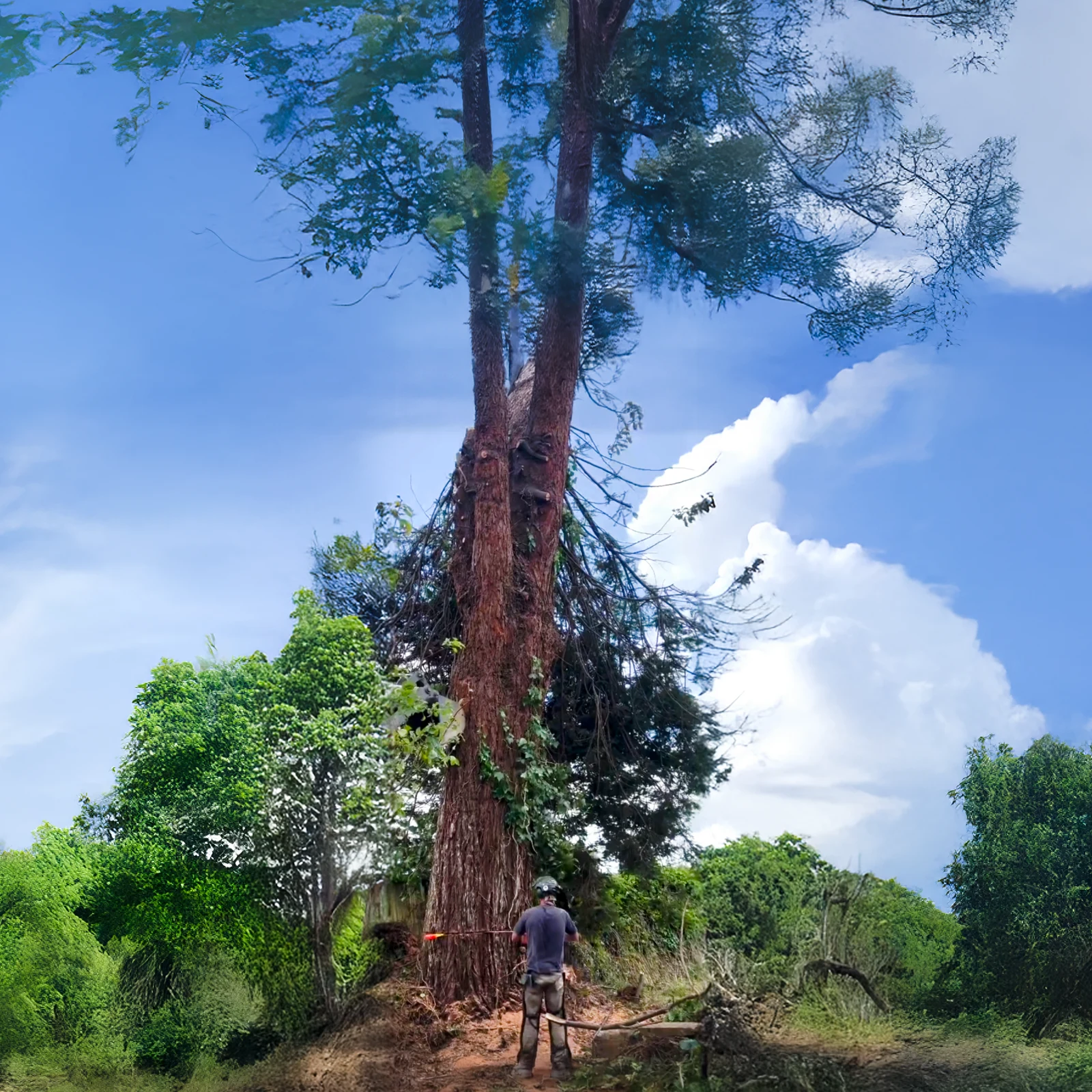
Removal in constrained spaces
Tree Work
Clearing shaped around the site
Property Access
- The Service
Start with the site. Plan the work around it.
A narrow side yard, an overgrown fence line, and a larger clearing each need a different approach. These details help define a useful first conversation.
Property location
Share the address or general location, plus where the work sits on the property.
Trees & vegetation
Describe the number and approximate size of trees, brush density, and any visible damage.
Nearby features
Identify buildings, fences, driveways, utilities, and anything that needs to remain protected.
Equipment access
Note gate widths, slopes, soft ground, parking, and space to move material.
Site finish
Explain what should remain: open ground, a cleared roadside, retained timber, or chipped material. For fire sites, include the current site condition and access restrictions.
- What We Offer
Tree work, clearing, and cleanup.
Choose the work your property needs. The scope is specific to the trees, terrain, access, and finish you want.
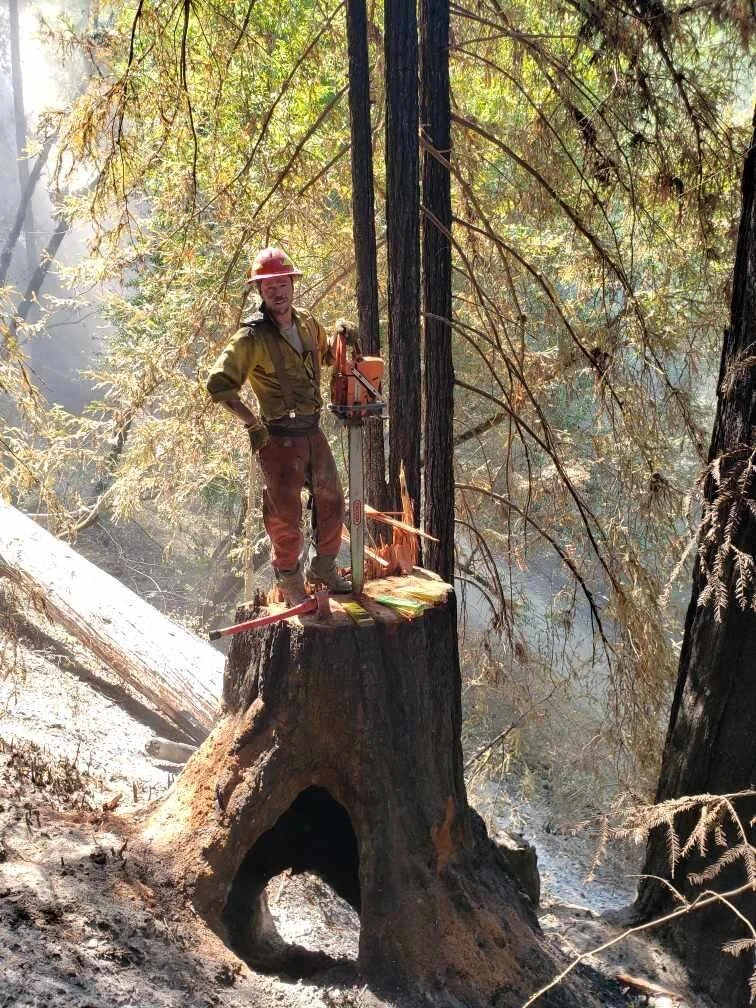
Tree Felling & Hazardous Removal
Removal of dead, damaged, or dangerous trees, including projects in constrained residential settings. Site access and surrounding structures are reviewed as part of the scope.
Brush & Underbrush Clearing
Clear overgrown lots, fence lines, and brush to reopen access and make the property easier to use and maintain.
Stump Grinding & Removal
Address remaining stumps so the area can be prepared for landscaping, mowing, or the next use of the site.
Lot & Land Clearing
Coordinate clearing for construction, driveways, agricultural use, and broader property improvements.
Storm Cleanup
Discuss removal of fallen limbs, downed trees, and storm debris. Call to confirm the conditions, access, and current response availability.
Chipping
Turn branches and brush into manageable wood chips. Coordinate on-site chipping with tree work, vegetation clearing, or cleanup at fire-affected properties.
Roadside Cleanup
Clear roadside brush, fallen limbs, and woody debris to reopen access and leave road edges more manageable. The scope is planned around road conditions and equipment access.
Fire-Site Cleanup & Chipping
Cleanup and chipping of woody debris at fire-affected sites. Share the site conditions, access requirements, and material to be handled so the work can be scoped appropriately.
Timber Recovery
A plan for what comes down.
Identify timber worth retaining before removal begins. Suitable logs can move into a separate milling scope, with handling and access considered early.
- Humboldt County
- Connected Services
- Discuss the Site
Tell us about the property.
Start with the location, the trees or vegetation involved, access constraints, and the result you need.
Tree care, milling, custom woodwork, and useful materials. Connected by a respect for wood, rooted in Humboldt County.
Twin Bridges
Get in Touch
© 2026 Twin Bridges Woodworking. All rights reserved.
Humboldt County, California